Unlocking Efficiency with High-Performance Pump Systems
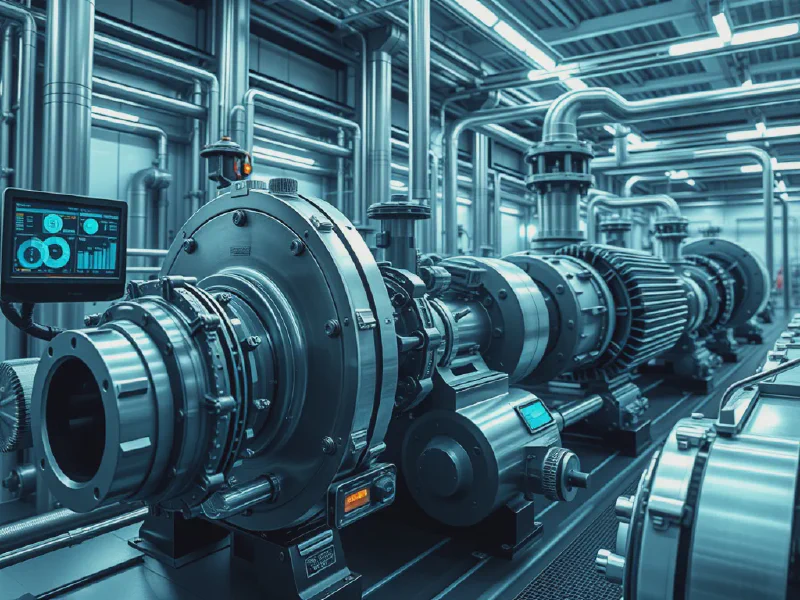
High-Performance Pump Systems: Enhancing Efficiency and Reliability
High-Performance Pump Systems are integral components in various industrial applications, providing efficient and reliable fluid transport. These systems are designed to deliver superior performance, reduce energy consumption, and increase overall operational efficiency. In this article, we will explore the components, types, efficiency, maintenance practices, applications, safety standards, and future trends related to High-Performance Pump Systems.
The evolution of pump technology has led to the development of High-Performance Pump Systems that cater to a wide range of industries, from manufacturing to agriculture. These systems not only enhance productivity but also promote energy efficiency, making them essential in today's environmentally conscious market. Understanding the various types of High-Performance Pumps is crucial in selecting the right system for specific applications, ensuring optimal performance and cost-effectiveness.
By focusing on energy efficiency, High-Performance Pump Systems play a significant role in reducing operational costs and environmental impact. Advanced technologies and innovative designs contribute to improved efficiency and lower energy consumption. In addition, regular maintenance practices ensure these systems operate at peak performance, reducing downtime and extending their lifespan.
Innovative industries increasingly rely on High-Performance Pump Systems to enhance efficiency and reduce operational costs.
The applications of High-Performance Pump Systems are diverse, spanning multiple sectors such as manufacturing, agriculture, HVAC, and chemical processing. By understanding these applications, industry professionals can make informed decisions about the most suitable pump systems for their needs, thereby enhancing operational efficiency and achieving desired outcomes.
As industries continue to evolve, the future of High-Performance Pump Systems looks promising. Technological advancements such as the Internet of Things (IoT), AI, and sustainable practices are shaping the future of pump technology, making it essential for industry leaders to stay abreast of these trends to maintain competitive advantage.
Types of High-Performance Pumps
Centrifugal pumps are one of the most common types of High-Performance Pumps used in industrial applications. They operate using a rotating impeller that transfers kinetic energy to the fluid, resulting in a continuous flow. These pumps are ideal for transporting large volumes of liquids and are widely used in water supply, wastewater management, and chemical processing. Their efficiency and reliability make them a popular choice for various industries.
Positive displacement pumps are another category of High-Performance Pumps, designed to move fluids by trapping a fixed amount and forcing it into the discharge pipe. These pumps are known for their ability to handle viscous fluids and deliver a constant flow rate regardless of pressure variations. They are commonly used in applications such as lubrication, food processing, and pharmaceuticals due to their reliability and precision in fluid transfer.
When considering submersible pumps versus surface pumps, it is important to understand their operational differences. Submersible pumps are designed to operate underwater, making them ideal for deep well applications and dewatering projects. In contrast, surface pumps are installed above the fluid level and are typically used for transferring liquids from open bodies of water. Understanding these distinctions ensures the right pump type is chosen for specific needs.
Choosing the right pump type for specific needs involves analyzing the application requirements, including fluid characteristics, flow rate, and pressure demands. It's crucial to assess factors such as viscosity, temperature, and chemical compatibility to ensure the selected pump meets operational needs while optimizing performance and efficiency.
Energy Efficiency in Pump Systems
Measuring and improving pump efficiency involves assessing the performance of the system regularly. This can be done through flow rate measurement, pressure testing, and monitoring energy consumption. By identifying inefficiencies, operators can implement corrective measures to enhance overall system performance, leading to reduced energy costs and longer equipment lifespan.
Energy-saving technologies in pump design include the use of high-efficiency motors, advanced control systems, and optimized hydraulic designs. These innovations help reduce energy consumption while maintaining the required performance levels of High-Performance Pump Systems. By adopting these technologies, industries can significantly lower operational costs and minimize their environmental footprint.
The impact of variable speed drives (VSDs) on pump performance cannot be overstated. VSDs allow for precise control of pump speed and flow rates, enabling operators to match pump output with system demand. This not only optimizes energy consumption but also extends the lifespan of the pump components by reducing wear and tear associated with constant operation at high speeds.
Conducting a pump energy audit involves a thorough assessment of the entire pumping system, including equipment performance, energy usage, and operational practices. This audit identifies potential areas for improvement and provides recommendations for enhancing energy efficiency, ultimately leading to cost savings and increased sustainability.
Maintenance of High-Performance Pump Systems
Routine maintenance practices are essential for ensuring the longevity of High-Performance Pump Systems. Regular inspections, lubrication of moving parts, and timely replacement of worn components can significantly reduce the risk of unexpected failures and extend the operational life of the equipment. Developing a maintenance schedule tailored to specific pump systems is key to achieving optimal performance.
Troubleshooting common pump issues involves identifying and addressing problems such as cavitation, loss of prime, or excessive vibration. Operators must be familiar with the signs of these issues and implement corrective actions promptly to minimize downtime and maintain system efficiency.
Replacing pump parts is a critical aspect of maintenance. Determining when to replace parts depends on factors such as wear indicators, performance decline, and unusual noises or vibrations. Regular monitoring and assessment of components can help identify the right time for replacement, ensuring continuous operation and mitigating costly repairs.
Innovative maintenance technologies, such as predictive maintenance and condition monitoring systems, allow for real-time assessment of pump performance. These technologies leverage data analytics and IoT to predict potential failures, enabling proactive maintenance and reducing operational disruptions.
Applications of High-Performance Pumps
High-Performance Pump Systems find extensive industrial applications in manufacturing, where they are used for fluid transfer in processes such as cooling, heating, and mixing. Their ability to maintain consistent flow rates and operate efficiently under varying conditions makes them indispensable in ensuring smooth production operations.
In agriculture, High-Performance Pumps are utilized for water transfer, irrigation, and nutrient distribution. These pumps enable farmers to optimize water usage and ensure effective crop management, contributing to increased yields and sustainable farming practices.
Pump systems play a crucial role in HVAC applications, facilitating the circulation of water and refrigerants for heating and cooling purposes. High-Performance Pumps in HVAC systems enhance energy efficiency and system reliability, contributing to optimal indoor comfort and air quality.
Chemical processing involves the transfer of various chemical substances, making High-Performance Pumps vital in ensuring precise metering and secure handling of potentially hazardous materials. These pumps are designed to meet stringent industry standards, ensuring safety and reliability in chemical operations.
Safety and Regulations for Pump Systems
Understanding safety standards for pump operations is paramount to ensuring employee safety and regulatory compliance. Operators must adhere to guidelines provided by organizations such as OSHA and ISO, which outline best practices for safe pump operation, maintenance, and installation. Implementing a robust safety training program is essential for mitigating risks associated with pump systems.
Regulatory compliance for pump installation necessitates familiarity with local and national regulations governing fluid handling, emissions, and environmental impact. Ensuring that pump systems meet these regulations not only enhances safety but also protects the environment and promotes sustainability.
Environmental considerations in pump usage involve assessing the potential impact of pump operations on local ecosystems. Implementing strategies to minimize noise, emissions, and fluid spills is crucial for maintaining environmental integrity while ensuring efficient system performance.
Creating a safety protocol for pump systems includes establishing clear operating procedures, emergency response plans, and regular training for personnel. This protocol ensures that all employees are aware of safety practices and that the risks associated with pump operations are effectively managed.
Future Trends in Pump Technology
The role of IoT in monitoring pump systems is becoming increasingly significant. IoT-enabled devices allow for real-time monitoring of pump performance, enabling operators to make data-driven decisions for maintenance and operations. This connectivity enhances efficiency, reduces downtime, and improves overall system reliability.
Advancements in pump materials and design are leading to the development of more durable and efficient systems. Innovations such as corrosion-resistant materials and improved hydraulic designs result in pumps that can perform better in challenging conditions, thereby extending their lifespan and reducing maintenance requirements.
Sustainable practices in pump technology include the adoption of eco-friendly materials and energy-efficient designs. As industries focus on reducing their carbon footprint, the demand for High-Performance Pumps that align with sustainable practices is increasing, promoting both operational efficiency and environmental stewardship.
Predictive maintenance using AI is set to revolutionize pump maintenance practices. By leveraging machine learning algorithms, AI can analyze historical performance data to predict potential failures, allowing operators to conduct maintenance proactively and reduce unplanned downtime effectively.