Top Insights on Battery-Powered Sump Pumps for Homeowners
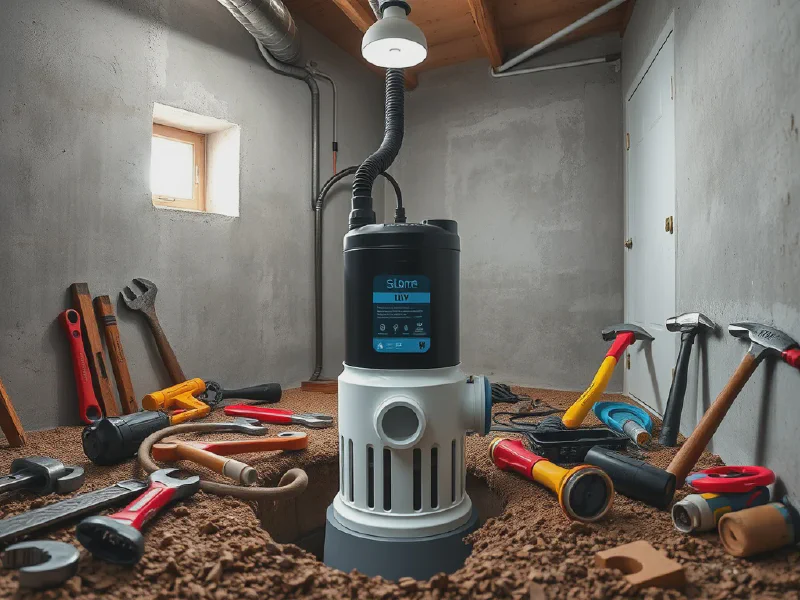
A Comprehensive Guide to Battery-Powered Sump Pumps
Battery-Powered Sump Pumps are essential tools for homeowners looking to prevent water damage in basements or crawl spaces. Unlike traditional pumps that operate on AC power, battery-powered models offer reliability during power outages, ensuring that excess water can be effectively managed without interruption. These pumps are particularly valuable in flood-prone areas, providing an extra layer of security against potential flooding. Their portable design and efficient operation make them a worthwhile investment for any property owner concerned about water accumulation.
One of the key advantages of Battery-Powered Sump Pumps is their ability to provide backup support when the main power supply is compromised. Many homeowners experience power outages during severe weather conditions, which can lead to water backup and potential flooding. With a battery-powered option, you can rest assured that your home is protected in emergencies. These pumps are equipped with automatic switches that engage when water levels rise, allowing for immediate action without manual intervention.
The market for Battery-Powered Sump Pumps has expanded, offering a range of options to choose from. Most models come with high-efficiency designs and powerful motors, allowing for effective water removal without excessive energy consumption. This not only helps to minimize utility bills but also contributes to a lower environmental footprint, as many units are designed with eco-friendly components. As the demand for innovative home solutions continues to grow, so does the availability of advanced features and capabilities in these pumps.
For homeowners in flood-prone areas, investing in Battery-Powered Sump Pumps can provide critical protection against water damage.
Despite the many benefits of Battery-Powered Sump Pumps, selecting the right model can be tricky. Homeowners must consider several important factors to ensure that the pump they choose meets their specific needs. Understanding the pump’s capacity, battery life, and overall efficiency is crucial. Additionally, some advanced models offer smart technology features that allow for remote monitoring, making it easier for homeowners to keep an eye on their sump pump system from anywhere.
In conclusion, Battery-Powered Sump Pumps serve as a reliable solution for water management in homes, particularly during periods of heavy rain or power outages. Their features, including backup power options and increased efficiency, outline their importance as a staple in home maintenance. With the right model, homeowners can ensure their property remains safe and dry, regardless of weather conditions.
Benefits of Battery-Powered Sump Pumps
One of the most significant benefits of Battery-Powered Sump Pumps is their reliability as backup systems during power outages. When storms hit and electricity is cut off, these pumps can continue to operate, protecting your home from potential flooding and water damage. This makes them an essential fixture for anyone living in flood-prone areas or regions that experience frequent power interruptions.
Battery-Powered Sump Pumps are also environmentally friendly options as they often consume less energy compared to traditional pumps. Many advanced models come with energy-efficient motors and are designed to minimize electricity usage. Moreover, some pumps even offer solar-powered options, further reducing fossil fuel consumption and promoting renewable energy use.
Cost-effectiveness is another advantage of Battery-Powered Sump Pumps for homeowners. While the initial investment might be higher compared to non-powered sump pumps, the long-term savings on electricity bills and the potential costs associated with water damage significantly outweigh the upfront cost. Additionally, many models have features that help them operate more efficiently, thus reducing overall running costs.
Ease of installation and maintenance is a noteworthy benefit of Battery-Powered Sump Pumps. Most models come with user-friendly installation kits, enabling homeowners to set them up quickly and with minimal technical knowledge. Once installed, maintenance tasks like battery checks and cleaning are straightforward, allowing users to manage their pumps with relative ease.
Lastly, Battery-Powered Sump Pumps are built for long-lasting performance. High-quality materials and innovative engineering ensure that these pumps can withstand harsh conditions and deliver reliable service over time. Many models come with warranties and excellent customer support, adding to their appeal for homeowners seeking durability in their equipment.
Choosing the Right Battery-Powered Sump Pump
When selecting a Battery-Powered Sump Pump, understanding pump capacity and power is crucial. Homeowners need to assess the volume of water that needs to be moved during heavy rainfall or flooding situations. Different models are capable of handling varying capacities, so it's essential to choose a pump that can efficiently manage the specific needs of your home.
Evaluating battery life and type is also important when choosing a pump. High-quality pumps tend to come with long-lasting batteries that can run for several hours, depending on the conditions. Homeowners should research the type of battery used and its expected longevity to ensure it meets their requirements, particularly if the area is prone to prolonged power outages.
Key features to look for in a high-quality Battery-Powered Sump Pump include automatic activation, alarm systems for alerts, and remote monitoring capabilities. Advanced models may also offer Wi-Fi connectivity, allowing users to receive notifications on their smartphones. These features can provide peace of mind, ensuring that homeowners can react promptly in case of flooding.
It's also essential to compare Battery-Powered Sump Pumps with traditional models. While traditional sump pumps rely solely on electricity, battery-powered options offer the added benefit of backup power. Analyzing each option thoroughly will help homeowners choose the best system suited for their specific conditions and needs.
Lastly, checking expert reviews and recommendations can guide homeowners in selecting the right Battery-Powered Sump Pump. Many online resources and customer review platforms provide insight into the performance, reliability, and features of various models. Engaging with these resources can significantly influence your decision-making process.
Installation Process for Battery-Powered Sump Pumps
The installation process for Battery-Powered Sump Pumps typically involves a few straightforward steps. Firstly, you need to identify the correct location where the sump pit will be installed. This usually depends on the lowest point of your basement or crawl space, prioritizing effective drainage. After the pit is dug or the sump basin is secured, the pump can be placed inside.
Common pitfalls during installation include poor placement of the pump, which can lead to ineffective water removal, and not securing the pump properly, which may cause misalignment or operational issues. Ensure that the pump's discharge pipe is directed away from the foundation to prevent water from flowing back towards the structure.
Tools needed for setup generally include a drill, wrench, level, and safety gear like gloves and goggles. For models that require more intricate installations, additional tools may be needed, so it's beneficial to consult the manufacturer's instructions before beginning the process.
Testing the system post-installation is vital to ensure everything is functioning correctly. Review the pump’s activation process by manually filling the sump pit with water to observe if the pump engages and activates on cue. It’s important to check that the discharge pipe is directing water away effectively and that there are no leaks.
Safety precautions while installing Battery-Powered Sump Pumps include disconnecting power sources prior to installation and using protective gear to guard against sharp tools. Working in a well-ventilated area is also crucial, especially if you're using electrical tools to minimize the risk of accidents.
Maintenance Tips for Battery-Powered Sump Pumps
Regular battery checks and replacements are fundamental in maintaining Battery-Powered Sump Pumps. Make it a priority to test the battery health annually and replace it based on the manufacturer's recommendations to ensure optimal performance during emergencies. Ignoring battery health may lead to pump failure when it’s needed the most.
Cleaning the pump and sump pit is also essential for efficiency. Over time, debris and sediment can accumulate, hindering the pump's operation. Regularly inspect the sump pit and clean it out as needed, ensuring that the pump remains debris-free to promote optimal functionality.
Troubleshooting common issues is another critical aspect of maintenance. Familiarize yourself with the common problems that may arise, such as pump failure to activate or frequent cycling. Knowing how to address these issues beforehand can save you time and stress during emergencies when time is of the essence.
A seasonal maintenance checklist is beneficial for staying organized. Tasks can include checking the battery, cleaning the pump and pit, testing the alarm system, and reviewing the discharge pipe's conditions. Scheduling these maintenance tasks at the start and end of each season helps ensure the unit is prepared for increasing demands, particularly during rainy months.
Expert advice on prolonging the lifespan of your Battery-Powered Sump Pump often includes proper installation, routine maintenance checks, and investing in high-quality products. Educating yourself on proper usage and ensuring the pump is adequately protected from the elements will improve its longevity and performance.
Alternatives to Battery-Powered Sump Pumps
While Battery-Powered Sump Pumps offer many benefits, some homeowners may consider alternatives such as generator-powered pumps. These pumps can operate during power outages but rely on fuel, which may not be readily available in an emergency. Generator-powered pumps can also handle larger volumes of water compared to battery-operated models, making them suitable for extensive flooding situations.
Solar-powered sump pump options have emerged as a sustainable alternative. These systems leverage solar panels to generate power, significantly cutting energy costs and reducing reliance on traditional power sources. They are particularly effective in sunny areas and can run continuously without the worry of battery depletion during extended outages.
A comparison with manual pumps reveals that while manual pumps are cost-effective, they require manual labor and are not automated, meaning they cannot operate independently. Battery-Powered Sump Pumps provide automation and efficiency, making them a more practical choice for busy homeowners.
Understanding the differences between submersible and pedestal pumps is also important when considering alternatives. Submersible pumps are designed to be submerged in water and are typically quieter and more efficient for home use. In contrast, pedestal pumps sit above the sump pit and are easier to service but may be less efficient in removing water quickly.
Finally, deciding when to consider alternatives to Battery-Powered Sump Pumps involves assessing your specific water removal needs and environmental conditions. For extensive flooding or when additional power sources are available, exploring options like generator-powered or solar-powered pumps may provide the best solution to ensure your home remains dry.