Exploring Innovative Grinder Pump Solutions for Waste
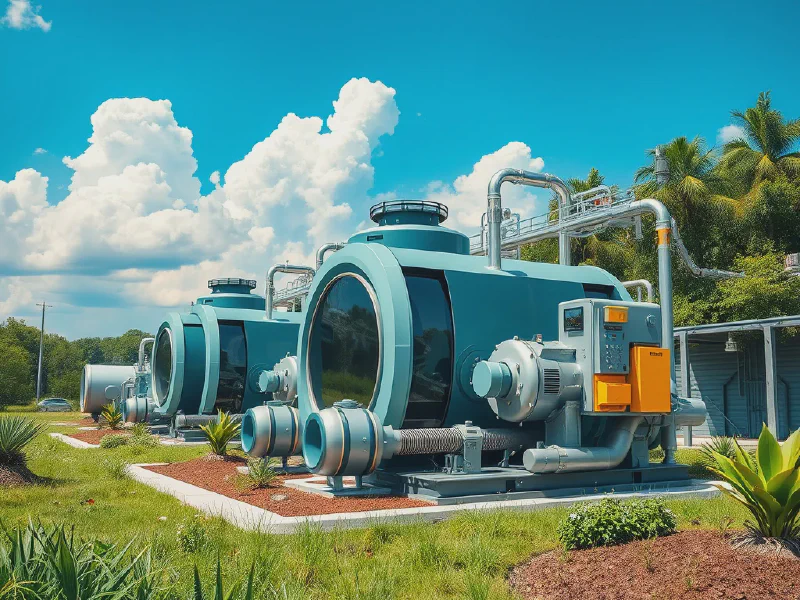
Grinder Pump Solutions: A Comprehensive Overview
Grinder Pump Solutions play a critical role in effective sewage and wastewater management. These systems are specifically designed to break down waste into smaller particles, making it easier to transport through pipelines, ultimately ensuring that communities can manage their waste effectively and hygienically. With the increasing demand for efficient wastewater management in both residential and commercial settings, Grinder Pump Solutions are becoming an essential feature in modern plumbing and drainage systems.
Grinder pumps are particularly beneficial for properties situated in low-lying areas where gravity drainage is impractical. Through their powerful grinding capabilities, these pumps prevent clogs and blockages, which are common issues with traditional sewer systems. As urbanization continues to rise, the need for reliable Grinder Pump Solutions is more crucial than ever to meet the growing population's waste disposal needs.
Furthermore, Grinder Pump Solutions are advantageous because they significantly reduce the risk of overflow or backflow incidents, which can lead to significant environmental hazards. By ensuring that waste is effectively processed and moved away from homes and businesses, these pumps protect public health and maintain the integrity of local ecosystems. As such, investing in well-designed Grinder Pump Solutions provides safety, reliability, and efficiency — essential elements for any waste management system.
for effective waste management in challenging terrains, exploring various Grinder Pump Solutions can greatly enhance the efficiency of your plumbing system.
In conclusion, understanding Grinder Pump Solutions is vital for homeowners, builders, and municipalities aiming to optimize their wastewater handling processes. The benefits they offer not only improve operational efficiency but also enhance the overall health and comfort of the communities they serve. With a variety of options tailored to different needs, Grinder Pump Solutions represent a forward-thinking approach to modern plumbing.
This article will delve into the various types of Grinder Pump Solutions available, their benefits, installation practices, comparative analysis, and maintenance tips to help guide you in making informed decisions regarding wastewater management.
Types of Grinder Pump Solutions
Grinder Pump Solutions come in various forms, each designed to cater to specific user requirements. One of the primary types includes Submersible Grinder Pumps. These pumps are placed below the water surface in a wet well and are ideal for environments where space is limited. Their design minimizes the risk of clogs, as they can effectively grind and transport waste without requiring extensive above-ground infrastructure.
Another important category is Above-ground Grinder Pump Systems. These systems are installed above the wastewater level and can be easier to maintain compared to submersible models. They are often utilized in residential neighborhoods where visual aesthetics and accessibility are primary concerns, and they usually require a more expansive installation area.
For eco-conscious users, Environmentally-friendly Grinder Solutions are available that operate on renewable energy sources or utilize technologies that minimize environmental impact. These types of grinders often incorporate materials and designs that reduce energy consumption and improve recyclability.
Heavy-duty grinder pumps cater to commercial and industrial applications, dealing with larger volumes of waste. These pumps are built to withstand harsher conditions and often come with advanced grinding mechanisms that tackle tough waste materials, providing reliable operation in high-demand settings.
Lastly, there's the distinction between Residential vs. Commercial Grinder Pumps. Residential models are more compact and typically handle lower volumes of waste, often installed in homes. In contrast, commercial grinder pumps are designed for higher performance and durability, effectively managing waste in businesses, restaurants, and large facilities.
Benefits of Grinder Pump Solutions
Investing in Grinder Pump Solutions provides numerous benefits, starting with efficient waste management. Because these pumps can grind waste into smaller particles, they facilitate smoother transport through sewer lines, thus reducing the amount of blockage and downtime caused by waste build-up in pipes.
Moreover, Grinder Pump Solutions significantly reduce the risk of clogs compared to traditional sewage systems. Their grinding capability allows them to handle various waste types and sizes, leading to fewer service interruptions and repairs, thus saving time and resources.
Cost-effective sewage solutions are another advantage of Grinder Pump Solutions. By minimizing the risk of backups and reducing maintenance frequency, homeowners and businesses can enjoy savings on plumbing repair costs, making these pumps economically viable in the long run.
These systems also provide environmental advantages. By ensuring waste is adequately processed and transported, Grinder Pump Solutions help prevent overflow situations that could lead to pollution of local waterways and soil, thus safeguarding community health.
Lastly, Grinder Pump Solutions are designed for long-lasting performance. With proper maintenance, many grinder pumps can last for several years, providing dependable service and assuring users that they are investing in a reliable wastewater management solution.
Installation of Grinder Pump Solutions
Installing Grinder Pump Solutions involves a systematic approach, starting with a comprehensive site evaluation. This process typically includes determining the pump's location, considering factors such as proximity to the sewer line, elevation changes, and local regulations. A step-by-step installation guide includes setting a foundation for the pump, connecting to the electrical supply, and ensuring all plumbing work is solid before commissioning the pump for use.
Common installation pitfalls can include improper elevation settings, inadequate drainage design, and neglecting local sewage guidelines. To avoid these problems, it’s important to consult with a professional who understands the technical aspects of pump installation.
The tools required for the installation of Grinder Pump Solutions usually include wrenches, screwdrivers, and electrical tools for wiring. Additionally, a sewer reconnect kit might be necessary, along with any local permits for plumbing and electrical work.
Speaking of permits, it’s crucial to research local regulations governing the installation of grinder pumps. Some areas might require permits to ensure that installations meet specified health and safety standards. Failing to comply with these regulations can lead to fines or the necessity to uninstall the system.
Post-installation maintenance practices are vital for the longevity of Grinder Pump Solutions. Regular check-ups, visual inspections, and monitoring system performance ensure any issues are addressed proactively, preventing major failures down the line.
Comparative Analysis of Grinder Pump Solutions
When comparing Grinder Pumps to traditional pumps, the primary advantage is the grinding mechanism. Unlike traditional pumps, which may struggle with solid waste, grinder pumps efficiently reduce waste size, resulting in fewer clogs and enhancing the overall effectiveness of waste transport.
Evaluating efficiency and cost involves looking at initial installation expenses versus long-term savings in maintenance and repair costs. While grinder pumps might be more expensive upfront, the reduced likelihood of major sewer issues often compensates for the difference over time.
User reviews and satisfaction levels for Grinder Pump Solutions tend to be positive, with many users appreciating the reduced need for maintenance and effective waste handling capabilities. However, some may express concerns about noise levels or energy consumption, making it essential to choose the right model based on each user's specific needs.
When it comes to best brands and models, many manufacturers today offer reliable grinder pumps with varied features. Research and comparison of top brands are crucial to identify the model that best meets user requirements and budgets.
Lastly, understanding future trends in grinder technologies can help users stay informed about enhancements in efficiency, environmental safety, and smart technology access that can benefit long-term wastewater management strategies.
Maintenance of Grinder Pump Solutions
Routine maintenance tips for Grinder Pump Solutions include regular visual checks for signs of wear, ensuring debris does not accumulate around the pump area, and monitoring discharge flow to ensure the system operates as intended. Regular adherence to these practices ensures optimal performance and longevity.
Troubleshooting common issues requires awareness of symptoms indicating potential problems, such as unusual noises, fluctuations in discharge pressure, or odorous leaks. Early identification can prevent larger problems from developing.
Signs of pump failure may include frequent on/off cycling, a noticeable decrease in pumping efficiency, and unexpected odors. Recognizing these signs allows for premature intervention, ensuring that the system continues to function effectively.
Additionally, many users may consider professional servicing options for complex maintenance needs. Engaging a qualified technician can provide deeper insights and repair capabilities that ensure the longevity of the Grinder Pump Solutions.
Finally, understanding the lifespan and replacement guidance helps users plan for the future. Many grinder pumps can operate efficiently for over a decade with proper care, but users should remain proactive about maintenance and aware of when signs of failure necessitate replacement.