Explore the Best Sewage Pumps for Efficient Drainage
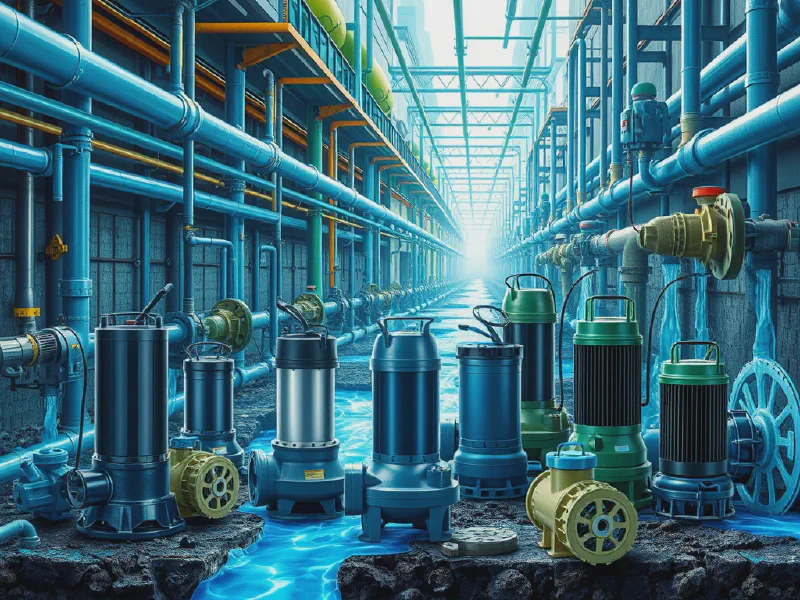
Best Sewage Pumps: A Comprehensive Guide
When it comes to maintaining a clean and functional household, finding the Best Sewage Pumps is essential. These pumps are designed to manage the disposal of wastewater and sewage, helping to prevent backups and sanitation issues. Investing in a high-quality sewage pump will not only ensure that your plumbing system operates smoothly but also protect your home from potentially costly repairs caused by sewage problems.
When dealing with wastewater management, it's essential to choose the Best Sewage Pumps for efficient performance and reliability.
The market offers a variety of sewage pumps tailored to different needs and applications. Whether you require a pump for residential use or a heavier-duty option for commercial purposes, identifying the Best Sewage Pumps can enhance your plumbing system's reliability and efficiency. Features such as durability, performance, and ease of installation are critical factors when selecting the right pump for your specific requirements.
Understanding the types of sewage pumps available is crucial in figuring out which is best for your situation. From submersible pumps to grinder pumps, each type serves distinct purposes and operates under different conditions. By familiarizing yourself with these options, you can confidently choose the Best Sewage Pumps that will effectively manage wastewater in your home or business setting.
In this comprehensive guide, we will delve into the essential types of sewage pumps, key factors to consider when making your selection, a review of top brands and models, installation and maintenance tips, and the cost and budgeting aspects associated with sewage pumps. By the end of this article, you will have a well-rounded understanding that will aid you in finding the Best Sewage Pumps that meet your needs.
Whether you're dealing with a simple household issue or more complex commercial requirements, proper guidance is key to ensuring the best sewage management system for your property. Let's explore the various aspects that contribute to selecting and using the Best Sewage Pumps effectively.
Types of Sewage Pumps
Submersible sewage pumps are among the most popular choices for both residential and commercial applications. These pumps are designed to be submerged in the wastewater, allowing them to efficiently handle solids and large volumes of liquid. Submersible pumps come with specific features that enhance their durability, such as corrosion-resistant materials.
Effluent pumps and sewage pumps differ mainly in function. Effluent pumps are designed for moving clear or lightly contaminated wastewater, while sewage pumps can handle larger solids and heavier sludge. When selecting between these two types, consider the nature of the wastewater you will be dealing with.
Portable sewage pumps are compact and designed for easy transportation, making them ideal for temporary applications or emergencies. They are often used for draining flooded areas, emptying septic tanks, or performing maintenance tasks. Their lightweight design allows for easy setup and operation.
Grinder pumps play a crucial role in breaking down solid waste into smaller particles, which can be easily pumped through smaller diameter pipes. These pumps are commonly used in low-pressure sewer systems and areas where gravity flow is not an option. Understanding the applications of grinder pumps is essential for effective wastewater management in specific scenarios.
Key Factors to Consider
When selecting a sewage pump, horsepower and capacity ratings are vital. Ensure the pump has adequate horsepower to handle the expected volume of wastewater and solids. Higher horsepower ratings typically accommodate larger capacities, providing a reliable solution for various wastewater situations.
Material durability and build quality can significantly impact the lifecycle of your sewage pump. Choose pumps constructed from high-quality materials such as cast iron or stainless steel, as these will resist corrosion and wear from harsh wastewater elements, leading to a longer-lasting product.
The pump design and installation requirements are critical aspects to take into account. Ensure that the dimensions and specifications of the pump match your installation area, and understand any plumbing adjustments needed for seamless integration. Consulting with a professional installer can help avoid potential issues.
Lastly, consider the noise levels during operation. Some pumps can be quite noisy, which may not be suitable for residential areas. Look for options that promote quieter operation, particularly if the pump will be installed near living spaces.
Top Brands and Models
Several brands stand out in the sewage pump market, offering a mixture of reliability, performance, and positive user feedback. Brands like Zoeller, Wayne, and Liberty Pumps have built solid reputations by delivering high-quality products that cater to various needs, ensuring customers can find the Best Sewage Pumps matched to their requirements.
When it comes to residential use, some of the best-rated sewage pumps include the Zoeller M53, Wayne CDU980E, and Liberty Pumps 257. These models are highly recommended for homeowners due to their efficiency, durability, and ability to handle residential sewage needs without issues.
For commercial applications, heavy-duty sewage pumps like the Myers WGL and Ebara DOM are considered top contenders. These pumps are designed to handle larger volumes and more demanding environments, making them perfect for industrial settings.
User reviews and ratings provide invaluable insight into the performance and reliability of sewage pumps. Researching and comparing customer experiences can help refine your choices and lead you to the Best Sewage Pumps for your situation.
Installation and Maintenance Tips
A successful installation starts with preparation. Ensure you have all necessary tools and equipment, including PVC piping, fittings, and clamps. Begin by following the manufacturer’s installation guide closely and placing the pump in a suitable location—generally in a sump pit or dedicated sewage basin.
Routine maintenance is key to extending the life of your sewage pump. Regularly inspect the pump for any signs of wear, test it periodically to ensure functionality, and clean the intake screen to avoid clogs. This preventive care can help you avoid costly repairs down the line.
Common pump issues include clogs, power failures, or leaks. If you encounter these problems, many can be resolved by checking the power supply, inspecting the float switch, or cleaning the parts. Identifying problems early can save you significant time and expenses in maintenance.
If you're unsure or the issues are beyond basic troubleshooting, it's always wise to contact a professional plumber. Their expertise can prevent further complications and ensure your sewage system remains functional and reliable.
Cost and Budgeting
The average price range for sewage pumps varies based on type, brand, and capabilities, typically falling between $200 to $1,500. Residential options are often more budget-friendly, while heavy-duty commercial pumps will command higher prices due to their engineering and construction.
For homeowners on a budget, numerous cost-effective options provide excellent performance without breaking the bank. Brands like Wayne and Zoeller offer reliable models at more accessible price points, enabling homeowners to maintain quality without incurring additional financial strain.
Long-term investment considerations are important. While initial costs can be higher for quality pumps, their durability and efficiency often lead to lower operational costs in the long run. Investing in the Best Sewage Pumps can translate to significant savings over time as they reduce energy usage and maintenance needs.
When evaluating different pumps, don’t overlook the warranties and service contracts offered by manufacturers. A robust warranty can provide peace of mind and further protect your investment, giving you assurance that you are covered should any manufacturing defects arise.