Expert Guide: How To Install Zoeller Pumps Easily
Zoeller Pumps Installation: A Comprehensive Guide
Zoeller Pumps Installation is an essential process for ensuring that your plumbing systems function efficiently. Whether you're dealing with a sump pump to prevent flood damage, a sewage pump for waste removal, or other types of pumps, proper installation is key to getting the most out of your Zoeller pump. This guide will take you through the necessary steps and considerations for installing Zoeller pumps in your home or business.
Before diving into the installation process, it’s important to understand the different types of Zoeller pumps available. These pumps are renowned for their reliability and high performance in various applications. Typical models include sump pumps, sewage pumps, and effluent pumps, each designed for specific tasks. Familiarizing yourself with the various models will help you choose the right pump for your needs, which is the first step in the Zoeller Pumps Installation process.
In addition to understanding the types of pumps, becoming familiar with the key features of Zoeller pumps can assist you during installation. These pumps are built with durable materials to withstand tough conditions, have various horsepower options to match your needs, and come equipped with advanced technology like float switches for automatic operation. Knowing these features enables a smoother installation process and a better understanding of the pump’s operation.
Understanding the proper techniques is crucial when considering How To Install Zoeller Pumps for optimal drainage solutions.
The common applications for Zoeller pumps also play a significant role in installation discussions. Sump pumps, for example, are commonly used in basements to prevent water accumulation, while sewage pumps are essential in draining wastewater from homes that are below the sewer line. Understanding where and how you plan to use your Zoeller pump helps streamline the installation process and ensures optimal performance in the long run.
In summary, Zoeller Pumps Installation involves careful consideration of the pump type, understanding its features, and being aware of the intended application. In the following sections, we will discuss the tools needed for installation, a step-by-step installation process, maintenance tips, and answers to frequently asked questions regarding Zoeller pumps.
Understanding Zoeller Pumps
When it comes to Zoeller pumps, there are several types available to meet various needs. The most common types include sump pumps, sewage pumps, effluent pumps, and grinder pumps. Each type serves a unique purpose and is designed to handle different kinds of fluid transfer. For example, sump pumps are typically used in basements to remove excess water, while sewage pumps are designed to handle raw sewage in residential or commercial applications.
Key features of Zoeller pumps include their robust construction, advanced motor technologies, and high efficiency. They are crafted from quality materials, often with corrosion-resistant coatings, which enhance their durability. Many models come equipped with features such as automatic float switches, thermal overload protection, and easy maintenance design that ensure reliable operation and longevity in demanding conditions.
Common applications for Zoeller pumps range from residential to commercial settings. Sump pumps are essential in areas prone to flooding or with high water tables, while sewage and effluent pumps are vital for effective wastewater management. They are widely used in sump basements, septic systems, and industrial sites, making them versatile components for plumbing systems.
Tools Needed for Installation
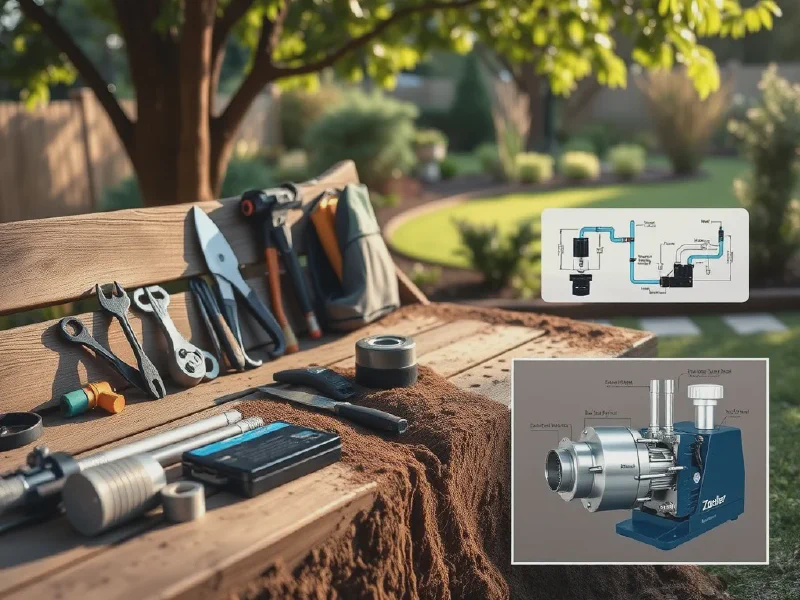
When preparing for Zoeller Pumps Installation, several essential tools are required. These typically include: a wrench set, pipe cutters, PVC cement, Teflon tape, a drill, screws, and a level. Additionally, make sure to have a bucket handy for any water that may collect during installation, along with a utility knife for cutting cable ties, if necessary.
Safety is paramount when performing any installation task. Essential safety equipment should include gloves, goggles, and a dust mask, especially when working in areas prone to dust or debris. Electrical safety is also crucial; ensure that the power is turned off at the circuit breaker before beginning the installation process. Following proper safety precautions will help avoid accidents and ensure a smooth installation experience.
Recommended accessories for Zoeller Pumps Installation may include a check valve to prevent backflow, a backup battery system for power outages, and vibration dampening pads to minimize noise. These accessories can enhance the functionality of your pump and ensure continuous operation even under challenging conditions.
Step-by-Step Installation Process
Before starting the installation, the preparation phase is essential. Begin by selecting a suitable location for your pump based on its intended application. Ensure there is adequate drainage, and clear any debris or obstacles from the area. It’s also advisable to lay out all the tools and materials, reviewing the pump's installation manual for specific guidelines related to your model.
The detailed installation steps typically include: 1. Installing the pump into the basin, ensuring it sits upright and level. 2. Connecting the discharge pipe, making sure to utilize PVC glue and Teflon tape at the joints for a watertight seal. 3. Connecting the float switch, following the pump's manual to ensure it operates correctly based on water level. 4. Securing the pump to the floor using screws, if necessary, and ensuring the power cord is safely routed away from any water sources. 5. Conducting a final inspection to make sure everything is correctly installed before powering the unit on and testing its operation.
Common mistakes to avoid during installation include misaligning the discharge piping, failing to secure the pump properly, and overlooking safety precautions when dealing with electricity or water. Rushing through the installation process can lead to major issues down the line, so take your time and follow best practices to ensure a successful installation.
Maintenance Tips for Zoeller Pumps
Routine maintenance for Zoeller pumps is essential for preventing issues down the line. A maintenance checklist should include checking the pump's float switch for proper operation, inspecting the discharge line for obstructions, cleaning the inlet screen, and ensuring the electrical connections are secure. Regularly inspecting your pump will help identify potential problems before they escalate into costly repairs or replacements.
Signs that your Zoeller pump needs servicing include unusual noises, a decrease in pumping efficiency, frequent automatic cycling, and visible leaks. If you notice any of these signs, it's crucial to address them promptly to avoid failure and ensure your pump continues to operate as intended.
To troubleshoot common issues, you can start with checking the power supply to ensure the pump is getting electricity. If it’s not running, inspect the float switch for jams or obstruction. Additionally, look for clogs in the discharge line and ensure the pump is free of debris. Consulting the pump’s manual can also provide specific troubleshooting tips relevant to your model.
Frequently Asked Questions about Zoeller Pumps
One common question is: How long do Zoeller pumps last? With regular maintenance and proper usage, Zoeller pumps can last 10-15 years, but their lifespan may vary depending on usage and environmental conditions.
Another frequently asked question is: What are warranty details for Zoeller pumps? Zoeller typically offers a limited warranty that covers defects in material and workmanship, often for periods ranging from 1 to 3 years, depending on the specific product. Always check the warranty details provided with your pump for accurate information.
Lastly, many wonder: Can I install a Zoeller pump myself? Yes, many homeowners can install a Zoeller pump with the right tools and instructions. However, if you feel uncertain about the process or lack experience with plumbing, it is advisable to consult a professional for installation.