Essential Guide to Septic Pumps: Maintenance and Tips
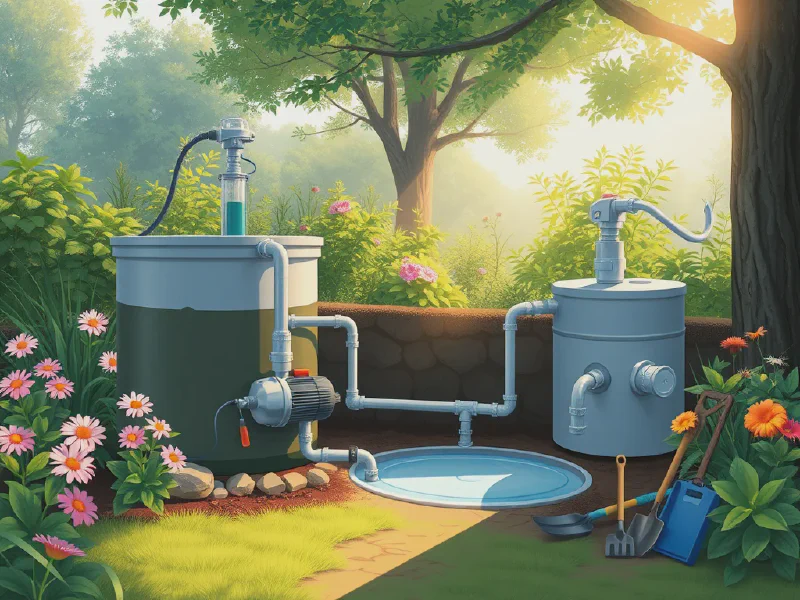
Understanding Septic Pumps: Essential Components for Waste Management
Septic pumps are crucial elements in the efficient functioning of septic systems, primarily used in rural and suburban areas where centralized sewage systems are absent. These specialized pumps are designed to transport wastewater to a drain field or sewage treatment facility once it has been filtered and processed through a septic tank. The efficiency and reliability of septic pumps are critical for maintaining proper sanitation and preventing environmental contamination.
To effectively manage resources and minimize environmental impact, innovative solutions for WasterWater treatment are essential.
The primary function of septic pumps is to move liquids from the septic tank to the leach field. There are several types of septic pumps available, each designed for specific functions within the septic system. Understanding these different types helps homeowners select the right pump for their system, ensuring optimal performance and longevity. Regular maintenance and awareness of potential issues are also key to preventing failures and costly repairs.
Being aware of different septic pump types, their maintenance, installation requirements, regulatory considerations, troubleshooting techniques, and the benefits of high-quality pumps can significantly improve the management of wastewater. Ensuring that the septic pump is suitable for the specific needs of a property is crucial in sustaining its functionality and longevity while protecting the environment.
In essence, septic pumps play a vital role in preventing the backflow of wastewater into living environments, thereby safeguarding public health. This article delves into the various aspects of septic pumps, including types, maintenance practices, installation tips, regulations, troubleshooting strategies, and the benefits of investing in high-quality pumps.
Homeowners should take the time to familiarize themselves with the critical components and operations of septic pumps to ensure that their septic systems work efficiently and effectively. With proper knowledge and care, septic pumps can serve their purpose reliably for many years.
Types of Septic Pumps
Submersible septic pumps are designed to operate underwater in the septic tank. They work effectively in moving the wastewater from the tank to the distribution area. These pumps are usually more efficient as they do not need to push the wastewater upwards, making them ideal for deeper installations.
Effluent pumps are another type designed for advanced treatment systems. They handle the filtered wastewater, or effluent, from the septic tank that is ready for further treatment and dispersal into the drain field. These pumps help in aerating and treating the water more effectively before it reaches the leach field.
Sump pumps are commonly confused with septic pumps but serve a different purpose. Sump pumps are designed to remove accumulated water from basements or other low-lying areas to prevent flooding. However, in some septic systems, especially those with high groundwater levels, sump pumps can help manage excess water.
Macerating pumps, also known as grinder pumps, are used in cramped spaces where gravity flow is not feasible. They work by grinding waste into a slurry that can easily be pumped through smaller pipes, making them suitable for residential applications requiring tight installation spaces.
Centrifugal pumps and positive displacement pumps are two common mechanisms for septic pump operation. Centrifugal pumps work by increasing the fluid's velocity, while positive displacement pumps push a fixed amount of liquid with each cycle. Choosing the right mechanism depends on the specific needs and setup of the septic system.
Septic Pump Maintenance
Regular inspection schedules for septic pumps are essential for ensuring their efficient operation. Homeowners should consider having their pumps inspected annually to check for clogs, wear, and other potential issues. This proactive measure can help avoid unexpected failures and costly repairs later on.
Signs of septic pump failure include slow drainage, unusual noises from the pump, frequent cycling, and an unpleasant odor. Homeowners should be vigilant for these symptoms, as they signal that the system may be facing issues that require immediate attention to prevent damage.
Cleaning a septic pump is a crucial maintenance task that involves removing debris and buildup that could impair its function. This can typically be done by professionals who will inspect the pump and clean it to ensure it operates correctly and efficiently.
Best practices for maintenance include keeping the area around the pump clear of debris, ensuring that the electrical connections are secure, and only flushing appropriate items down the toilet. Homeowners should also maintain records of maintenance and inspections for future reference.
Common troubleshooting tips include checking the power source, inspecting for clogs, and verifying that the float switch is functioning properly. Understanding these basics can empower homeowners to handle minor issues effectively.
Installation of Septic Pumps
Choosing the right septic pump involves considering factors such as the size of the property, the type of wastewater being handled, and the specific needs of the septic system. Homeowners should consult with a professional to determine the best pump for their situation.
The step-by-step installation guide typically includes selecting the appropriate location, preparing the pump basin, making the necessary electrical connections, and testing the system before covering it. Proper installation is crucial for optimal performance and longevity of the pump.
Permit requirements for installation vary by locality and may require inspections, so it’s important to check with local health and building departments. Adhering to these regulations can prevent future complications with the septic system.
Cost factors in septic pump installation can include the type of pump being installed, any excavation and plumbing work needed, and local labor costs. Homeowners should budget accordingly to ensure a successful installation.
Common installation mistakes to avoid include improper sizing of the pump, neglecting to follow local codes, and failing to ensure proper drainage flow. Understanding these potential pitfalls can lead to a successful and efficient setup.
Septic Pump Regulations
Local regulations for septic systems often dictate specific requirements for septic pump installation, operation, and maintenance. Homeowners must stay informed about these regulations to ensure compliance and avoid legal issues.
Disposal laws related to septic pumps are designed to protect public health and the environment. Proper disposal and treatment methods must always be observed to prevent hazardous conditions from arising due to waste mismanagement.
The environmental impact of septic systems can be significant if not managed correctly. Regulations often aim to minimize contamination of groundwater and surrounding ecosystems, highlighting the importance of following proper septic practices.
Health standards for septic operations are established to prevent potential risks associated with wastewater management. Adhering to these standards can help ensure the safety of the community and the environment.
Compliance tips for homeowners include keeping detailed maintenance records, being aware of local regulations, and ensuring that all septic system components are installed and maintained according to standards set forth by regulatory bodies.
Troubleshooting Septic Pumps
Identifying pump failure symptoms can be the first step in troubleshooting septic issues. Common symptoms may include unusual noises, failure to start, or frequent cycling—awareness of these signs can lead to timely interventions.
Steps to troubleshoot septic issues often begin with checking the power supply, inspecting for clogs or blockages, and examining any float switches or controls. Proper diagnostics can guide homeowners in resolving minor issues before they escalate.
Common blockages and solutions may involve clearing debris from inlet and outlet pipes, ensuring that the effluent filter is clean, and checking the lines leading to the drain field. Engaging professional assistance for complex issues is advisable.
Knowing when to call a professional can save homeowners from unnecessary complications. If troubleshooting efforts are unsuccessful or if there are multiple signs of failure, it's essential to contact an experienced septic service provider.
Emergency measures for septic failures may include isolating the affected area, avoiding water usage to prevent overflow, and contacting professionals immediately. Prompt action can mitigate damage and ensure the system is restored promptly.
Benefits of High-Quality Septic Pumps
Improved waste management efficiency is one of the primary benefits of high-quality septic pumps. Efficient pumps help reduce the frequency of clogs and ensure that wastewater is managed effectively, contributing to better sanitation practices.
Longevity and durability factors play a significant role in reducing overall maintenance costs. High-quality pumps are built to withstand the rigorous demands of wastewater transport, leading to lower replacement and repair expenses over time.
Energy-saving models are also available, which not only reduce operational costs but also contribute to a more eco-friendly wastewater management approach. Investing in energy-efficient technology can reduce overall energy consumption.
Cost-effectiveness over time reflects the advantages of durable, high-quality septic pumps, allowing homeowners to save money on repairs and replacements while enjoying reliable service.
Lastly, the environmental benefits of efficient systems include reduced risks of groundwater contamination, cleaner local ecosystems, and compliance with environmental regulations. By investing in high-quality pumps, homeowners contribute to sustainable practices for wastewater management.