Effective Wastewater Pumping Solutions for Your Needs
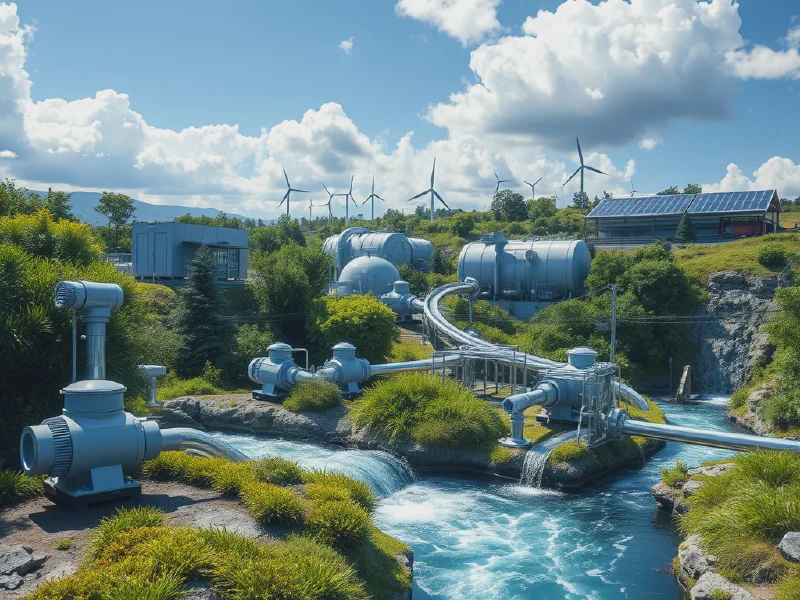
Wastewater Pumping Solutions
Wastewater pumping solutions are essential components in managing municipal, industrial, and residential wastewater systems. These solutions ensure that wastewater is efficiently transported from collection points to treatment facilities, safeguarding public health and the environment. The importance of wastewater pumping cannot be overstated, as it prevents flooding and ensures proper treatment of sewage and runoff, ultimately leading to clean water being returned to natural bodies.
There are various types of pumps designed specifically for wastewater applications, each with unique features that cater to different needs. Understanding these different types of wastewater pumps is crucial for selecting the appropriate technology for any given situation. Factors to consider include the nature of the wastewater, required flow rates, system design, and the presence of solids in the wastewater stream, as they will impact the performance and longevity of pumping solutions.
Proper design of wastewater pumping systems involves a host of considerations, including the determination of flow rates, head requirements, pipe diameters, and materials. A well-designed system ensures optimal performance and energy efficiency while minimizing operational costs. Ultimately, the design phase should incorporate a thorough analysis of the site conditions, including existing infrastructures, to create an effective, integrated pumping solution.
To ensure effective wastewater pumping solutions, adequate maintenance is vital. Regular inspection and maintenance routines help identify early signs of wear and tear, preventing unexpected breakdowns and costly repairs. Additionally, advancements in pumping technology continue to improve maintenance practices, making it easier to diagnose and resolve issues promptly. Proper maintenance not only extends the lifespan of pumps but also enhances the overall performance of wastewater systems.
With the increasing focus on environmental sustainability, wastewater pumping solutions are evolving to incorporate eco-friendly practices and technologies. By employing sustainable practices, such as energy-efficient pumps and reducing greenhouse gas emissions, the wastewater industry can contribute to a greener future. This article explores the intricacies of wastewater pumping solutions, including pump types, design considerations, maintenance practices, environmental impacts, and emerging technologies.
Types of Wastewater Pumps
Submersible wastewater pumps are designed to be submerged in the wastewater they are pumping. This type of pump is ideal for applications with limited space or where the pump needs to be installed below the water level. Submersible pumps are efficient in moving wastewater containing solids and can be used in both residential and industrial applications, making them a versatile solution for various pumping needs.
Centrifugal wastewater pumps utilize rotational energy to move fluids through the system. These pumps are widely used in municipal sewage treatment plants and industrial applications due to their high efficiency and ability to handle large volumes of wastewater. They can be designed to accommodate different flow rates and pressures, making them suitable for diverse applications in the wastewater management sector.
Effective management of sewage infrastructure relies heavily on innovative Wastewater Pumping Solutions to ensure environmental safety.
Diaphragm wastewater pumps work by using a diaphragm to create a vacuum that draws in wastewater, then expelling it through an outlet. These pumps are particularly effective for handling viscous fluids and solids-laden wastewater. Diaphragm pumps offer great reliability and are often used in applications where precision and control are necessary.
Screw pumps are a unique type of wastewater pump that utilizes a screw mechanism for moving fluids. They are capable of handling high viscosity and solid-heavy waste streams without damaging the pump. Screw pumps are commonly used in applications where continuous pumping is required, such as in municipal wastewater treatment facilities or industrial processes.
End-suction pumps are characterized by their design, where the suction inlet is parallel to the pump shaft. These pumps provide high flow rates and moderate pressure, making them suitable for a variety of wastewater applications. End-suction pumps are commonly used in sewage treatment facilities due to their straightforward design and effectiveness in handling large volumes of wastewater.
Wastewater Pumping System Design
Effective wastewater pumping system design requires an understanding of several critical factors involved in selecting the right pump. These factors include the type of wastewater being pumped, system layout, peak flow rates, power requirements, and budget constraints. A comprehensive analysis of these factors ensures the chosen pump and system can perform efficiently over their desired lifespan.
Flow rate and head calculations play a crucial role in wastewater pumping system design. Flow rate determines the volume of wastewater that needs to be moved over a specific time, while head calculations assess the vertical distance and friction in the system. Accurate calculations ensure that the selected pump can handle expected flows and movement requirements, leading to efficient and reliable performance.
When designing a wastewater pumping system, consideration of piping and fittings is essential. Proper pipe sizing and material selection can significantly affect system efficiency and operation. Additionally, minimizing the number of bends, joints, and valves in the design helps to reduce friction losses and enhances overall flow characteristics of the system.
Energy efficiency is a key consideration in wastewater pumping system design. Utilizing energy-efficient pumps and incorporating variable speed drives can lead to substantial reductions in energy consumption and operational costs. Designing systems with energy efficiency in mind contributes to a more sustainable wastewater management approach while optimizing operating budgets.
Cost considerations are also imperative in wastewater pumping system design. While it is important to invest in high-quality pumps and components, project budgets must be managed to ensure that the overall cost of installation, maintenance, and operation remains sustainable. Thoughtful planning in budgeting can help prevent overspending and ensure the project remains financially viable over its lifespan.
Maintenance of Wastewater Pumps
Routine inspection schedules are vital for maintaining the performance and reliability of wastewater pumps. Regular checks for wear and tear, leaks, and operational efficiency help identify potential issues before they escalate. Developing a structured maintenance plan tailored to specific pump types and operational demands ensures optimal functionality throughout the life of the equipment.
A range of common problems can affect wastewater pumps, including blockages, wear of moving parts, and mechanical failures. Understanding these issues and their solutions allows for more effective maintenance strategies. For example, addressing blockages promptly and ensuring regular lubrications can significantly enhance pump performance and reduce downtime.
Replacement parts and servicing are often integral to wastewater pump maintenance. Keeping common replacement parts on hand can expedite repairs and minimize disruption to operations. Partnering with reliable service providers for repairs and maintenance will ensure that pumps are serviced correctly and operate efficiently over their lifespan.
Lubrication and care for wastewater pumps play a crucial role in extending their longevity. Regularly lubricating motors, bearings, and other moving parts according to manufacturer recommendations will help prevent premature failure and mechanical issues, ensuring that pumps remain in service longer and perform optimally.
Emergency maintenance best practices are essential in the event of a pump failure. Establishing a protocol which includes immediate troubleshooting, parts inspections, and rapid response from technicians can help mitigate the impacts of unexpected failures. Conducting regular emergency drills and training staff can ensure readiness when emergencies arise, minimizing disruption to operations.
Environmental Impact of Pumping Solutions
Sustainable pumping practices are gaining traction in the wastewater industry. This involves employing pumps that use less energy, produce fewer emissions, and utilize materials that are more environmentally friendly. By focusing on sustainability, the industry can minimize its environmental footprint while ensuring that wastewater is effectively managed.
Reducing emissions in wastewater management includes using energy-efficient technologies and practices that enhance the performance and reduce the carbon footprint of pumping systems. Incorporating renewable energy sources, such as solar power, can also contribute to lowering emissions while effectively managing wastewater.
Treatment and reuse of wastewater is an essential aspect of minimizing environmental impacts. By implementing systems that treat wastewater for recreational, agricultural, or industrial reuse, facilities can reduce the demand for fresh water resources and contribute to a circular economy that benefits local communities and ecosystems.
Regulatory compliance in pumping solutions is paramount for environmental integrity. Wastewater facilities must adhere to strict environmental regulations ensuring that discharged water meets quality standards. Compliance not only helps protect public health but also contributes to larger sustainable water management practices within communities.
Community impact assessments are essential in evaluating the potential effects of wastewater pumping operations on local populations and environments. Engaging with community stakeholders can improve relations and lead to innovative solutions that benefit public welfare and ensure local needs are met in wastewater management efforts.
Emerging Technologies in Wastewater Pumping
Smart pumping systems and IoT (Internet of Things) technologies are revolutionizing wastewater management. These systems allow for real-time monitoring, data collection, and remote management of pumps. By integrating smart technologies, facilities can enhance diagnostic capabilities, predict maintenance needs, and optimize overall performance, leading to a more efficient pumping operation.
Advanced sensors for monitoring wastewater pumps provide critical insights into system performance. These sensors can track parameters like flow rates, temperature, and pump efficiency. Utilizing this data allows for proactive maintenance, better decision-making, and enhanced operation of wastewater management systems.
Automated controls and efficiency features are emerging trends in wastewater pumping technology. Automation can significantly streamline operations, allowing pumps to adapt to varying flow conditions without manual intervention. These technologies can optimize energy use and reduce labor costs while ensuring reliable pumping performance.
Innovative materials for pumps are being developed to improve durability and performance in harsh wastewater environments. Materials such as advanced polymers and corrosion-resistant alloys can enhance resistance to wear, extend the lifespan of pumps, and reduce maintenance requirements, leading to overall cost savings.
Trends in wastewater treatment technology include the integration of renewable energy, innovative treatment processes, and advancements in filtration and separation technologies. Embracing these trends will enable wastewater facilities to adapt to evolving environmental standards and meet the challenges of sustainable water management moving forward.