Comprehensive Guide to Wastewater Products: Solutions for Effective Water Management
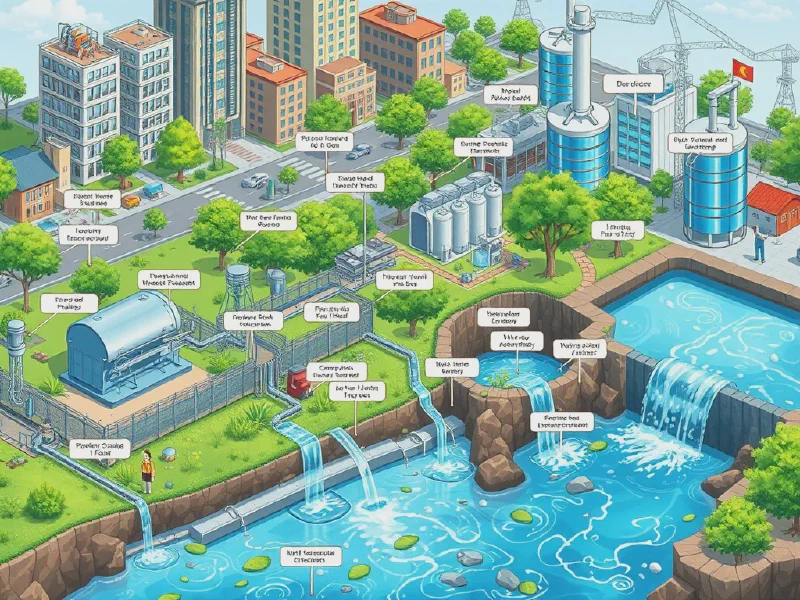
Comprehensive Guide to Wastewater Products: Solutions for Effective Water Management
Understanding Wastewater: Types and Sources
What is wastewater?
Wastewater is defined as any water that has been adversely affected in quality by human influence. This includes a wide range of water types that require treatment before being released back into the environment. The effective management of wastewater is crucial for maintaining public health and environmental integrity. Wastewater treatment involves various processes to remove contaminants and reduce the environmental impact of water discharge.
Types of wastewater
Wastewater is primarily categorized into two main types: municipal wastewater and industrial wastewater. Municipal wastewater originates from residential, commercial, and institutional sources, primarily comprising sewage, greywater, and stormwater. According to the United States Environmental Protection Agency (EPA), municipal wastewater includes not only domestic sewage but also water from sinks, showers, and washing machines.
On the other hand, industrial wastewater is generated from manufacturing processes and industrial activities. This type of wastewater can be highly variable, containing a range of pollutants depending on the industry. For instance, textile manufacturing facilities often produce wastewater laden with dyes and chemicals, while food processing plants may discharge organic waste and fats.
Common sources of wastewater
The sources of wastewater generation are diverse, encompassing both urban and rural environments. Key contributors include:
- Residential sources: These include households where water is used for drinking, cooking, and sanitation, resulting in sewage and greywater.
- Industrial sources: Factories and plants discharge industrial wastewater that may contain hazardous chemicals and heavy metals, necessitating advanced treatment technologies such as membrane technology and bioreactors.
- Agricultural runoff: Fertilizers and pesticides used in agriculture can lead to nutrient-rich runoff, which can contaminate nearby water bodies.
- Stormwater: Rainfall can wash pollutants from streets, fields, and construction sites into drainage systems, contributing to urban runoff.
Understanding the types and sources of wastewater is essential for implementing effective wastewater treatment strategies. This includes utilizing filtration systems and treatment chemicals to ensure compliance with wastewater regulations and promote wastewater recycling to minimize environmental impact.
Overview of Wastewater Treatment Products
Categories of wastewater products
Wastewater treatment products can be categorized into several distinct groups, each serving a unique purpose in sewage management. The primary categories include:
- Filtration Systems: These systems are designed to remove suspended solids and particulate matter from wastewater. For instance, GE Water's advanced filtration systems utilize membrane technology to enhance the removal of contaminants, ensuring cleaner water for recycling or discharge.
- Treatment Chemicals: Chemicals such as coagulants and flocculants play a crucial role in wastewater treatment. Products like Thermo Fisher's chemical solutions are essential for optimizing the removal of heavy metals and organic pollutants, thus complying with wastewater regulations.
- Pumping Stations: These are critical in transferring wastewater to treatment facilities. For example, Xylem's wastewater pumping solutions are engineered to handle the demands of industrial wastewater, ensuring efficient operation and reduced energy consumption.
- Bioreactors: Bioreactors are essential for the biological treatment of wastewater. The Ott bioreactor systems use microorganisms to break down organic matter, promoting effective wastewater recycling and decreasing environmental impact.
How wastewater products work
The functionality of wastewater treatment products varies significantly based on their design and application. Filtration systems operate by passing wastewater through various filter media, capturing solids and pathogens. Membrane bioreactors, for instance, combine biological treatment with membrane filtration, providing a compact solution for effective sewage management.
Treatment chemicals work by altering the physical and chemical properties of contaminants, enabling their removal during subsequent treatment stages. The use of advanced oxidation processes, such as ozone treatment, effectively oxidizes difficult-to-treat compounds, enhancing overall treatment efficiency.
Innovative solutions in the industry make a significant impact on sustainability, particularly through the effective use of Wastewater products.
Emerging trends in wastewater technology
Recent innovations in wastewater technology are shaping the future of water management. One notable trend is the increasing adoption of wastewater recycling systems that reclaim water for non-potable uses. Technologies like membrane technology are being integrated into treatment processes to improve water quality and recovery rates.
Moreover, the development of smart wastewater management systems that utilize IoT devices for real-time monitoring and data analysis is gaining traction. These systems enable facilities to optimize operations and comply with stringent wastewater regulations more effectively. As the demand for sustainable water solutions rises, these emerging trends will continue to influence the landscape of wastewater treatment products.
Choosing the Right Wastewater Products for Your Needs
Assessing facility requirements
When selecting wastewater products, the first step is to thoroughly assess the specific requirements of your facility. This involves understanding the type of wastewater generated, whether it be from industrial processes, sewage management, or municipal sources. For instance, a facility managing industrial wastewater may require advanced filtration systems and bioreactors to handle high levels of contaminants, while a municipal plant might focus on basic sewage treatment processes.
Additionally, evaluating the volume of wastewater and the desired treatment efficiency is crucial. Facilities with high flow rates may benefit from membrane technology, which offers effective separation and filtration, ensuring compliance with stringent wastewater regulations. Understanding these factors can guide you toward selecting the most suitable treatment chemicals and technologies for your specific needs.
Cost considerations
Budget constraints are a significant factor when choosing wastewater products. It's essential to conduct a comprehensive cost analysis that includes initial investments, operational expenses, and maintenance costs. For example, while advanced pumping stations and automated systems might have higher upfront costs, they can lead to long-term savings through increased efficiency and reduced labor costs.
Consider also the potential for wastewater recycling, which can minimize disposal costs and provide a secondary source of water for non-potable uses. Facilities should weigh the long-term benefits against immediate costs to ensure a balanced approach to wastewater management.
Supplier selection tips
Choosing a reliable supplier is critical for ensuring the longevity and effectiveness of wastewater products. Start by researching companies with a proven track record in the industry, such as Xylem Inc. or Veolia Water Technologies, both of which specialize in innovative wastewater treatment solutions. Look for suppliers that offer comprehensive support services, including installation, maintenance, and training, as these can significantly enhance the operational efficiency of your facility.
Additionally, verify that the suppliers adhere to relevant wastewater regulations and provide products that are certified for quality and performance. Engaging in discussions with existing customers of the supplier can also provide insights into their reliability and service quality. By following these tips, you can ensure that your facility is equipped with the right tools and support for effective water management.
Case Studies: Successful Implementations of Wastewater Products
Municipal success stories
One notable example of effective wastewater treatment in a municipal setting is the New York City Department of Environmental Protection (NYCDEP). In 2016, NYCDEP implemented the Green Infrastructure Program, which includes green roofs, rain gardens, and permeable pavements to manage stormwater and reduce sewage overflow into local water bodies. This initiative resulted in a 30% reduction in combined sewer overflows, demonstrating the impact of innovative sewage management practices on urban environments.
Industrial implementations
The Procter & Gamble manufacturing facility in Albany, Georgia, showcases the successful application of industrial wastewater solutions. The plant adopted advanced membrane technology to treat industrial wastewater, allowing for the recycling of up to 80% of its water used in production. This not only significantly decreased water consumption but also ensured compliance with stringent wastewater regulations, thus setting a benchmark for sustainable practices in the consumer goods sector.
Lessons learned
Implementing effective wastewater products often comes with valuable lessons. For instance, the case of the City of San Diego highlights the importance of integrating treatment chemicals effectively within the wastewater recycling process. After facing challenges with chemical dosing in their Biological Treatment Plant, the city adopted a real-time monitoring system. This adjustment improved the efficiency of their filtration systems and ultimately led to a 25% improvement in overall treatment efficacy. Such experiences underscore the necessity of continuous evaluation and adaptation in wastewater management strategies.
Regulations and Standards for Wastewater Treatment
The regulatory landscape governing wastewater treatment is complex and multifaceted, shaped by both local and federal regulations. These regulations are designed to protect public health and the environment, ensuring that wastewater is managed effectively. For instance, the Clean Water Act in the United States establishes the framework for regulating discharges of pollutants into the waters of the nation. This act mandates permits for wastewater treatment plants, which must adhere to strict quality standards to prevent contamination of water bodies.
Local and federal regulations
At the local level, municipalities often impose additional regulations that may be more stringent than federal guidelines. For example, cities like Los Angeles have implemented comprehensive sewage management programs that require advanced filtration systems and treatment chemicals to meet water quality standards. Compliance with these regulations not only ensures legal operation but also influences the selection of wastewater products, such as bioreactors and membrane technology, which are increasingly favored for their efficiency in treating industrial wastewater.
Impact of regulations on wastewater products
The implications of these regulations on wastewater products are profound. Manufacturers of wastewater treatment solutions must innovate to meet changing standards. The demand for wastewater recycling technologies, for instance, has surged as regulations encourage sustainable practices. Treatment facilities are increasingly investing in advanced treatment solutions like membrane bioreactors, which offer superior filtration capabilities and help in meeting stringent discharge limits. Additionally, the use of pumping stations equipped with smart technologies is becoming common, as they not only comply with regulations but also enhance operational efficiency.
Future regulation trends
Looking ahead, several trends are likely to influence wastewater regulations. With growing concerns about emerging contaminants, regulatory bodies are expected to develop stricter guidelines on pollutants such as pharmaceuticals and microplastics. This shift will drive the adoption of advanced treatment technologies that can effectively address these challenges. Furthermore, as the push for sustainable practices intensifies, regulations may increasingly mandate the use of eco-friendly treatment chemicals and promote the adoption of wastewater recycling practices. Environmental engineers and municipal planners must stay abreast of these trends to ensure that their wastewater management strategies remain compliant and effective.
Future of Wastewater Management: Innovations and Predictions
Technological advancements
As the demand for efficient wastewater treatment solutions grows, technological advancements are emerging to meet the challenges of modern sewage management. One of the leading innovations is the development of membrane technology, which offers superior filtration capabilities. For instance, the implementation of microfiltration and ultrafiltration membranes allows for the removal of particulate matter and pathogens from industrial wastewater, ensuring cleaner effluent discharge. Companies like Dow Water & Process Solutions have pioneered these membranes, significantly enhancing the treatment process and reducing energy consumption.
Sustainability in wastewater
Sustainability practices are increasingly integrated into wastewater management strategies. Wastewater recycling has become a focal point, where treated wastewater is reused for irrigation, industrial processes, or even potable applications. For example, the Orange County Water District in California has successfully implemented a groundwater replenishment system that treats wastewater to a level safe for drinking. This not only conserves water but also minimizes environmental impact, aligning with global sustainability goals.
Predictions for 2030
Looking ahead to 2030, experts anticipate a significant shift in wastewater regulations and practices. With the rise of smart technology, pumping stations and treatment plants will likely incorporate real-time monitoring systems that utilize IoT (Internet of Things) technology to optimize operations. Additionally, the use of treatment chemicals will evolve, with a focus on biocompatible and eco-friendly options that minimize chemical footprints. Furthermore, the adoption of advanced bioreactors will enhance the biological treatment process, allowing for more efficient nutrient removal and energy recovery from wastewater. These innovations will not only improve efficiency but also pave the way for a circular economy in water management.
Frequently Asked Questions
What are wastewater products?
Wastewater products include equipment and chemicals used to treat, manage, and recycle wastewater for residential, commercial, and industrial applications.
How do wastewater treatment products work?
They work by utilizing various technologies to remove pollutants and pathogens from wastewater, ensuring it's safe to discharge or reuse.
What are the benefits of using wastewater treatment products?
Benefits include enhanced water quality, compliance with environmental regulations, cost savings in water usage, and the potential for resource recovery.
What types of wastewater products are available?
Available types include filtration systems, biological treatment units, chemical treatment solutions, and advanced membrane technologies.
How can I choose the right wastewater products for my facility?
Assess your facility's specific needs, consider budget and regulatory requirements, and research reliable suppliers for the best options.